Water-wise Gardening Basics
Contents
Creating a low-water garden doesn’t mean sacrificing beauty. Small changes in plant choice, soil, and watering technique cut water use dramatically while improving plant health.
TL;DR: Practical, low-effort strategies to reduce water use while keeping a healthy, attractive garden.
1. Choose the right plants
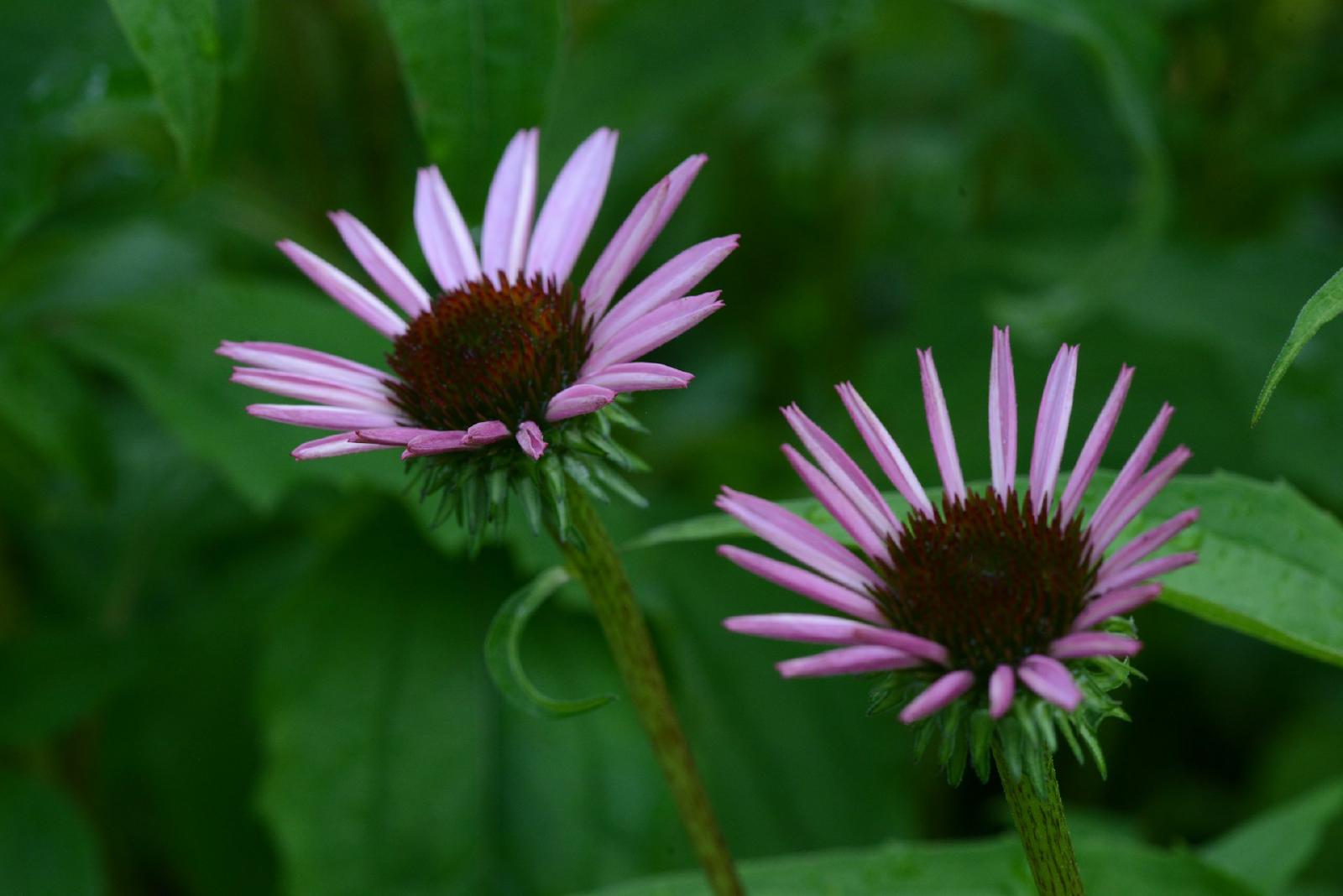
- Prefer native and drought-tolerant species adapted to your climate.
- Group plants by water needs (hydrozoning): high, medium, low — so you water more efficiently.
- Use deep-rooted perennials and shrubs rather than shallow-rooted annuals where possible.
2. Improve the soil
- Build organic matter with compost to increase water retention and soil structure.
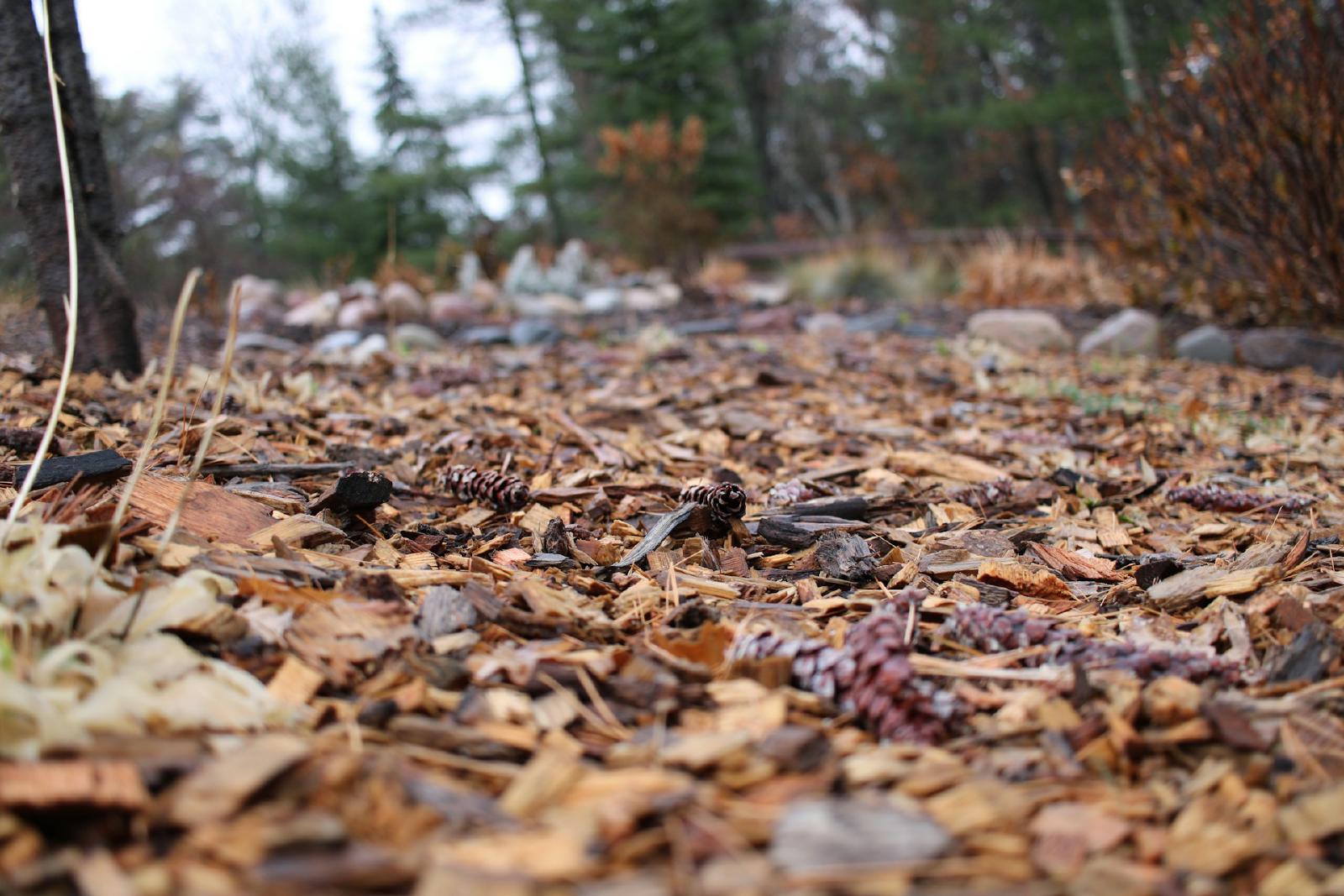
- Mulch beds (50–100mm or 2–4 inches) with bark, straw, or arborist wood chips to reduce evaporation and suppress weeds.
- Avoid working very wet soil; compacted soil drains poorly and stresses roots.
3. Water smart
- Water deeply and infrequently to encourage deeper roots (e.g., soak 1–2 times/week depending on conditions).
- Water early morning to reduce evaporation and disease risk.
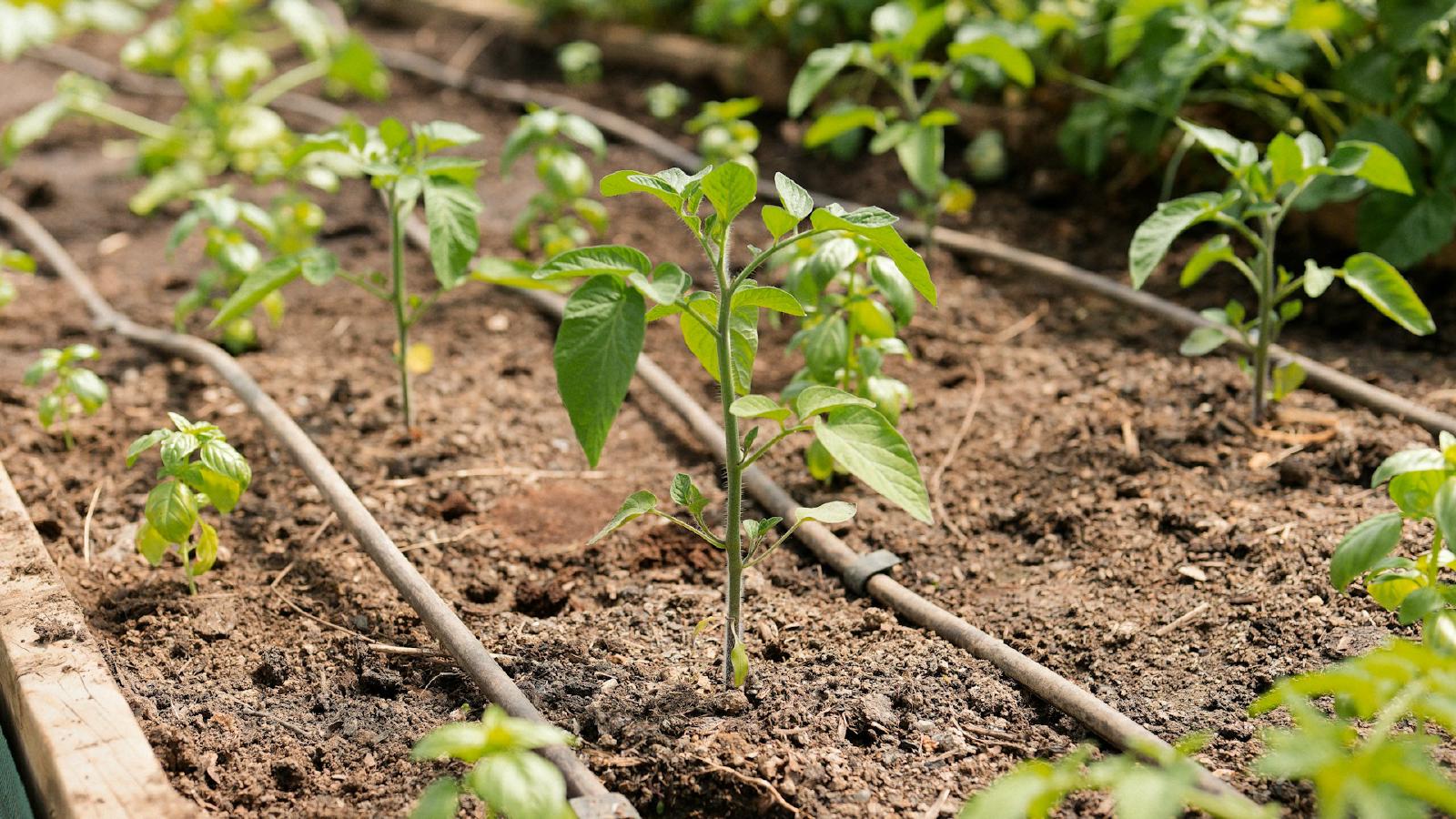
- Use drip irrigation or soaker hoses rather than overhead sprinklers for beds and shrubs.
- Check soil moisture with a finger, probe, or moisture meter before watering.
4. Reduce lawn area
- Replace high-water turf with drought-tolerant groundcovers, native grasses, or hardscape features.
- If you keep lawn, raise mower height and water less frequently but more deeply.
5. Capture and reuse water
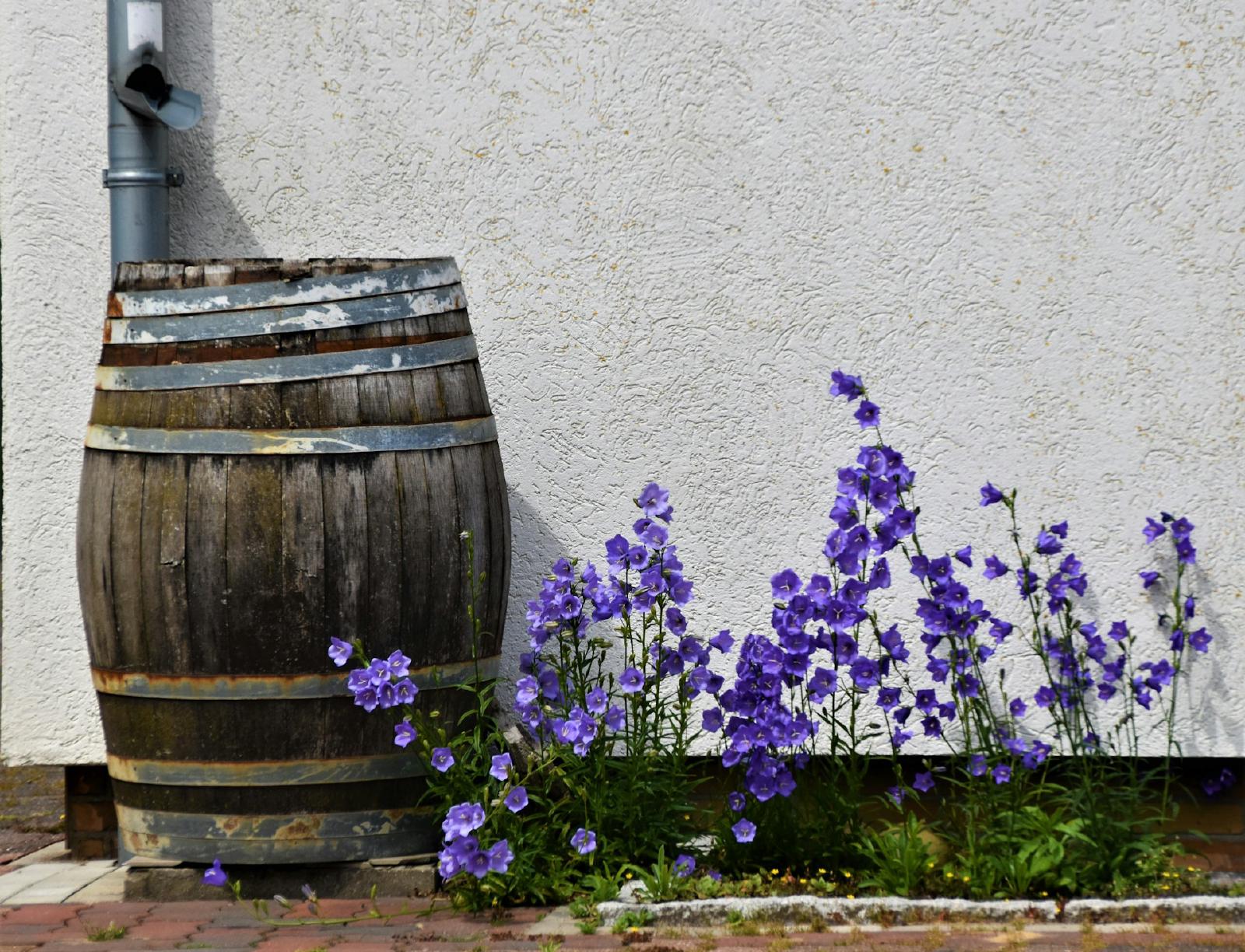
- Install rain barrels or a simple cistern to collect roof runoff for irrigation.
- Use swales, berms, or micro-catchments to direct stormwater to plant roots.
- Reuse graywater where codes allow (laundry-to-landscape systems).
6. Use efficient irrigation controls
- Install a programmable controller with weather-based adjustments or a smart controller that updates schedules automatically.
- Add a rain sensor or soil-moisture sensor to prevent unnecessary watering.
7. Seasonal maintenance
- Adjust irrigation seasonally (reduce in cooler months).
- Prune to maintain plant health; remove deadwood to reduce stress.
- Replenish mulch annually and monitor for pests/diseases.
8. Monitor and adapt
- Keep simple records of watering frequency and plant performance.
- Observe plants for signs of stress (wilting, yellowing) before assuming they need more water—pests or root problems can cause similar symptoms.
- Try small experiments (change mulch type, adjust irrigation time) and note results.
Quick checklist
- Plant selection: native/drought-tolerant — done
- Mulch: 50–100mm or 2–4 inches — done
- Irrigation: drip/soaker + morning schedule — done
- Soil: compost annually — done
- Water capture: rain barrel or swale — planned
Conserving water in the garden is a series of small, cumulative changes. Start with plant choices and mulch, add efficient irrigation, then refine by observing and adapting.