Drought-Tolerant Native Plants by Region
Growing the Right Plants for Your Climate
Choosing native plants that thrive in your region is one of the most rewarding decisions you can make as a water-wise gardener. When you select drought-tolerant native plants by region, you’re not just conserving water—you’re creating a garden that feels effortlessly at home in your landscape. Native plants have evolved to flourish in your local climate, which means they need far less supplementary watering once established.
The beauty of regional native planting is that it transforms gardening from a constant battle against nature into a harmonious partnership with it. Whether you’re gardening in Europe, North America, Australia, or beyond, there are stunning drought-tolerant natives waiting to thrive in your space. Let’s explore how to identify and grow the perfect water-wise species for where you live.
Understanding Your Region’s Growing Conditions
Before selecting specific plants, it’s helpful to understand your region’s climate profile. Consider your average annual rainfall, temperature extremes, soil type, and sunlight exposure. These factors determine which native plants will thrive with minimal intervention.
Rainfall patterns are particularly important for water-wise gardening. Regions receiving less than 600mm (24 inches) of annual rainfall need highly drought-tolerant species. Areas with 600–900mm (24–35 inches) can support a broader range of natives, whilst regions exceeding 900mm (35 inches) still benefit from water-wise choices.
Temperate Regions: UK, Northern Europe, and Canada
Temperate zones experience moderate rainfall and seasonal variation, supporting a diverse range of drought-tolerant natives.
Recommended species:
- Salvia pratensis (Meadow Sage) — Violet-blue flowers on a hardy perennial. Height: 30–60cm (12–24 inches). Minimal water once established.
- Knautia arvensis (Field Scabious) — Deep purple flowers attracting pollinators. Height: 30–90cm (12–35 inches).
- Achillea millefolium (Yarrow) — Feathery foliage with cream, pink, or red flower clusters. Height: 45–60cm (18–24 inches). Exceptionally water-wise.
- Armeria maritima (Thrift) — Compact cushions of pink or white flowers. Height: 15–30cm (6–12 inches).
- Geranium sylvaticum (Wood Cranesbill) — Purple-blue flowers on a hardy perennial. Height: 40–60cm (16–24 inches).
These species typically require watering only during their first growing season. After establishment, they’ll thrive on natural rainfall alone in most years.
Mediterranean Regions: Southern Europe, California, and Australia
Mediterranean climates feature hot, dry summers and mild, wet winters—perfect for truly drought-tolerant natives.
Recommended species:
- Cistus ladanifer (Gum Cistus) — White flowers with dark centres on an evergreen shrub. Height: 1–1.5m (3–5 feet). Thrives in poor, sandy soils.
- Lavandula angustifolia (English Lavender) — Fragrant purple flowers on a compact shrub. Height: 30–60cm (12–24 inches). Virtually no water needed once established.
- Rosmarinus officinalis (Rosemary) — Aromatic evergreen with blue, pink, or white flowers. Height: 0.6–2m (2–6.5 feet) depending on variety.
- Erica carnea (Winter-flowering Heath) — Delicate pink or white flowers. Height: 15–30cm (6–12 inches).
- Thymus vulgaris (Common Thyme) — Aromatic groundcover with purple flowers. Height: 20–30cm (8–12 inches).
For Australian Mediterranean regions, consider native alternatives:
- Westringia fruticosa (Coastal Rosemary) — Pale blue or white flowers on a hardy shrub. Height: 1–2m (3–6.5 feet).
- Leptospermum scoparium (Manuka) — Small white or pink flowers on an evergreen shrub. Height: 1–4m (3–13 feet).
Arid and Semi-Arid Regions: Southwest USA, Southern Africa, and Central Australia
These regions demand exceptionally drought-tolerant species adapted to extreme water scarcity.
Recommended species:
- Penstemon species (Beardtongue) — Tubular flowers in red, pink, or purple. Height: 30–90cm (12–35 inches). Native to southwestern USA.
- Eriogonum species (Buckwheat) — Clusters of tiny flowers in yellow, pink, or white. Height: 15–60cm (6–24 inches). Extremely drought-tolerant.
- Echinacea species (Coneflower) — Purple, pink, or white daisy-like flowers. Height: 60–90cm (24–35 inches). Native to central North America.
- Salvia greggii (Autumn Sage) — Tubular flowers in red, pink, or bicolours. Height: 60–90cm (24–35 inches). Native to Texas and Mexico.
For Southern Africa:
- Erica verticillata (Widdringtonia) — Delicate pink flowers on a compact shrub. Height: 30–60cm (12–24 inches).
-
Protea repens (Common Sugarbush)
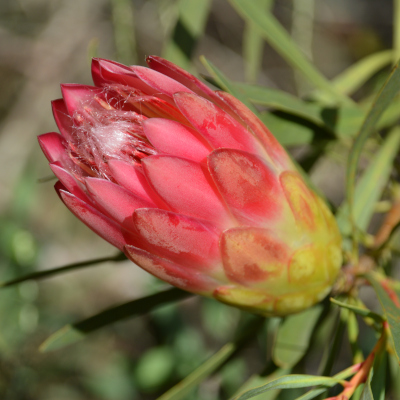 Plant profile:
Protea repens (Common Sugarbush)
— Distinctive pink and red flowers. Height: 1–2m (3–6.5 feet).
Plant profile:
Protea repens (Common Sugarbush)
— Distinctive pink and red flowers. Height: 1–2m (3–6.5 feet).
For Central Australia:
- Acacia aneura (Mulga) — Feathery yellow flowers on a hardy shrub. Height: 3–8m (10–26 feet).
- Grevillea species — Distinctive spider-like flowers in red, orange, or yellow. Height: 0.5–4m (1.5–13 feet) depending on variety.
Tropical and Subtropical Dry Regions: India, Brazil, and Southeast Asia
Tropical dry zones experience intense heat and seasonal rainfall, requiring heat-loving, drought-tolerant natives.
Recommended species:
-
Plumbago auriculata (Blue Plumbago)
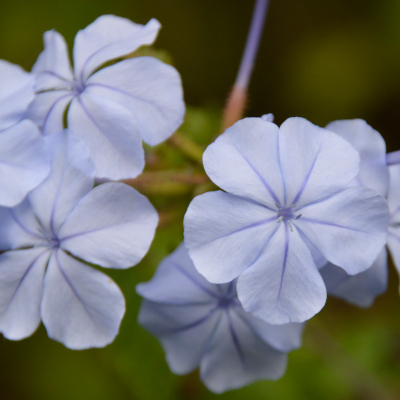 — Sky-blue flowers on a vigorous shrub. Height: 1.5–3m (5–10 feet). Native to South Africa but widely adapted.
 - Tecoma stans (Yellow Bells) — Bright yellow trumpet flowers. Height: 2–4m (6.5–13 feet). Native to tropical Americas.
-
Lantana camara (Marmarlade Bush)
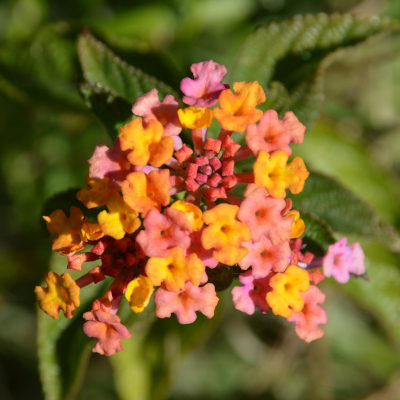 — Clustered flowers in red, orange, yellow, or pink. Height: 1–2m (3–6.5 feet). Extremely heat and drought-tolerant.
 - Jatropha curcas (Physic Nut) — Red flowers followed by ornamental seed pods. Height: 2–3m (6.5–10 feet). Native to tropical Americas.
For Indian dry regions:
- Neem (Azadirachta indica) — Small white flowers on a large shade tree. Height: 15–20m (50–65 feet).
- Acacia nilotica (Gum Arabic Tree) — Yellow flower balls on a thorny shrub. Height: 5–15m (16–50 feet).
Practical Care Tips for Drought-Tolerant Natives
Establishment phase: Most drought-tolerant natives need regular watering during their first growing season (approximately 12 months). Water deeply but infrequently—aim for 25–50mm (1–2 inches) per week, depending on rainfall and soil type.
Soil preparation: Well-draining soil is essential. If your garden has heavy clay, amend it with grit, sand, or compost to improve drainage. Drought-tolerant natives often struggle in waterlogged conditions more than in dry ones.
Mulching: Apply 5–7.5cm (2–3 inches) of organic mulch around plants to retain moisture during establishment and suppress weeds. In arid regions, use coarser mulch like gravel to reflect heat and reduce evaporation.
Aftercare: Once established (typically after the first year), most drought-tolerant natives require no supplementary watering. They’ll rely on natural rainfall or, in arid regions, minimal hand-watering during extreme dry spells.
Creating a Cohesive Water-Wise Garden
The real magic happens when you combine drought-tolerant native plants by region into a thoughtfully designed landscape. Group plants with similar water needs together, create focal points with taller species, and use groundcovers to suppress weeds and retain soil moisture.
Consider the seasons too. Select natives that flower at different times to provide year-round interest and continuous food sources for pollinators and wildlife. A well-planned native garden becomes a living, breathing ecosystem that requires minimal intervention.
Final Thoughts
Selecting drought-tolerant native plants by region isn’t just an environmentally conscious choice—it’s a practical one. These plants have spent thousands of years adapting to your local climate, and they’re eager to thrive in your garden with minimal fuss. Whether you’re gardening in temperate zones, Mediterranean climates, arid regions, or tropical dry areas, there are beautiful native species waiting to transform your outdoor space into a water-wise haven.
Start small, observe how your chosen plants perform, and gradually expand your collection. Your garden—and your water resources—will thank you.